
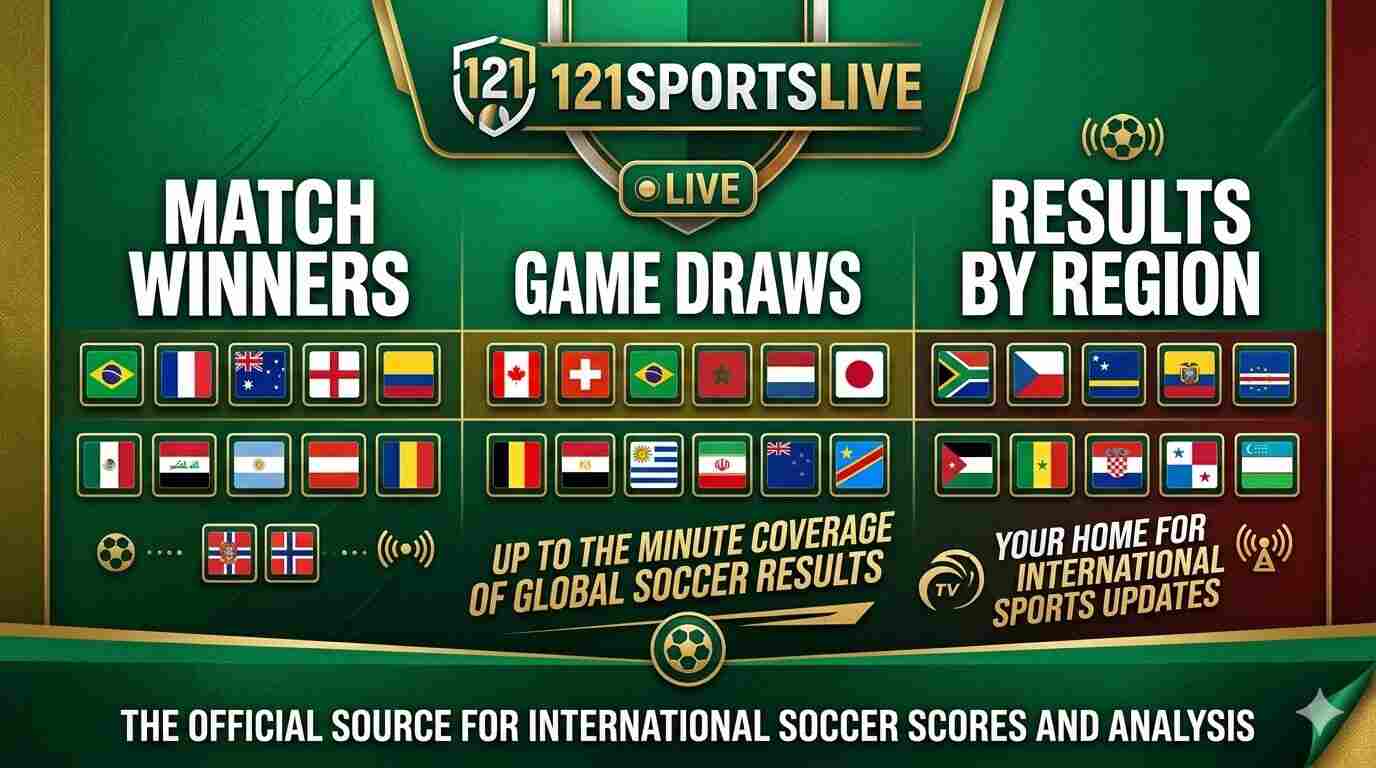
Global Soccer Showdown The world of international football is a dynamic landscape of triumph, resilience, and occasional setbacks. Recent results across various nations offer a fascinating snapshot of current global standings. A summary of these outcomes, as visualised in the graphic , reveals clear leaders and nations still looking for answers on the pitch.
The Victors: Who is Dominating International Football?
The “WON” section of highlights a strong mix of established powerhouses and emerging forces. Several FIFA World Cup regulars are making a statement. Nations like France, Argentina, Germany, and England feature prominently, reinforcing their status as heavyweights. Their consistency across different competitions keeps them at the top of many analytical rankings.
It’s also noteworthy to see diverse representation among the winning nations. The presence of Mexico, the USA, Ghana, Nigeria, and South Korea demonstrates the broad appeal and competitiveness of soccer outside of the traditional European strongholds. These teams are consistently performing well, challenging top-tier opponents, and building momentum. Colombia, with its flair, and Norway, known for strong individual talent, also add intrigue to this winning group. This trend highlights the increasing global parity in the sport.
Key Takeaways for Winning Teams:
-
Momentum: Continuous victories build crucial confidence and team cohesion.
-
Consistency: For established giants, maintaining a winning record is expected and pressure-packed.
-
Progress: For emerging teams, these wins prove they belong on the big stage and are making tangible progress.
Finding Common Ground: Analyzing the Draws
The “DRAW” category is often the most revealing, showing teams that can hold their own but are struggling to find that final spark. This section in contains some of the most tactically intriguing matchups. Seeing teams like Brazil, Spain, and Portugal among those that drew can be interpreted differently. For their fans, it might be seen as missed opportunities. For analysts, it could suggest strong opposition defensive performances or perhaps a slight lack of clinical finishing on the day.
Several intriguing ties appear in this group. Belgium, Egypt, and Saudi Arabia highlight different tactical approaches that can lead to shared points. The presence of emerging nations like Canada, Morocco, Japan, and Bosnia and Herzegovina shows that the gap between top-tier and mid-tier teams is narrowing significantly. These teams are disciplined and capable of frustrating opponents. Switzerland, Netherlands, Qatar, and Uruguay are seasoned competitors where draws often result from strategic, low-scoring games.
Key Takeaways for Teams with Draws:
-
Tactical Battles: These matches are often decided by small defensive errors or momentary lapses in judgment.
-
Defensive Resilience: Holding teams like Brazil or Spain to a draw points to excellent defensive organisation.
-
The Clinical Edge: For top teams, a high number of draws may indicate a need to focus on sharper, more decisive attacking play.
The Challenges Ahead: Rebuilding and Redefining for Losers
The “LOST” section of represents a difficult pill for fans and coaches alike. Teams found in this category will be looking to dissect performances and bounce back quickly. Traditional strong teams like Ecuador and South Africa will be scrutinising their form and asking tough questions. For nations like Turkey, Czech Republic, Paraguay, and Iraq, defeats against high-quality opposition can serve as crucial learning experiences, highlighting areas that require immediate improvement.
The presence of nations like Tunisia, Algeria, and Haiti on the losing list shows how competitive tournaments can be, where even small mistakes are severely punished. For emerging footballing nations such as Croatia, Uzbekistan, and Panama, losses often mark a phase of development and restructuring. It will be important for these teams to take constructive criticism and channel it into progress.
Key Takeaways for Teams that Lost:
-
Analysis and Review: Comprehensive post-match analysis is essential to understand tactical and individual failings.
-
Rebuilding Phase: For some teams, consecutive losses may signal the start of a necessary transition period.
-
Motivation for Bounceback: Every loss provides an opportunity to identify weaknesses and fuel the desire to return to winning ways.
The Global Perspective: Football Beyond Boundaries
Analyzing international soccer results across different regions confirms that the beautiful game is more interconnected and competitive than ever before. It’s not just about the dominant European and South American giants anymore; nations across Africa, Asia, and North America are steadily closing the gap. As visualized in , the modern landscape is a blend of traditional skill, tactical ingenuity, and emerging talents.
The next cycle of international matches promises to be even more compelling, with many of these teams looking to refine their strategies. Whether it’s the dominant winners seeking to stay at the apex, the pragmatic draw-specialists aiming for victory, or the determined losers striving for a comeback, international football continues to capture the world’s imagination, one match at a time.
Also read The Black Stars in Crisis: Ghana’s 2026 World Cup Chaos
